Nambu Tekki Guide: Iwate Cast Iron from Morioka and Mizusawa
Takumi Path is reader-supported. Some links on this page are affiliate links: if you buy or book through them, we may earn a commission at no extra cost to you. Learn more.
Key points
- Nambu tekki, the cast ironware of Iwate Prefecture, was among the first group of crafts designated as a Traditional Craft of Japan, on 17 February 1975.
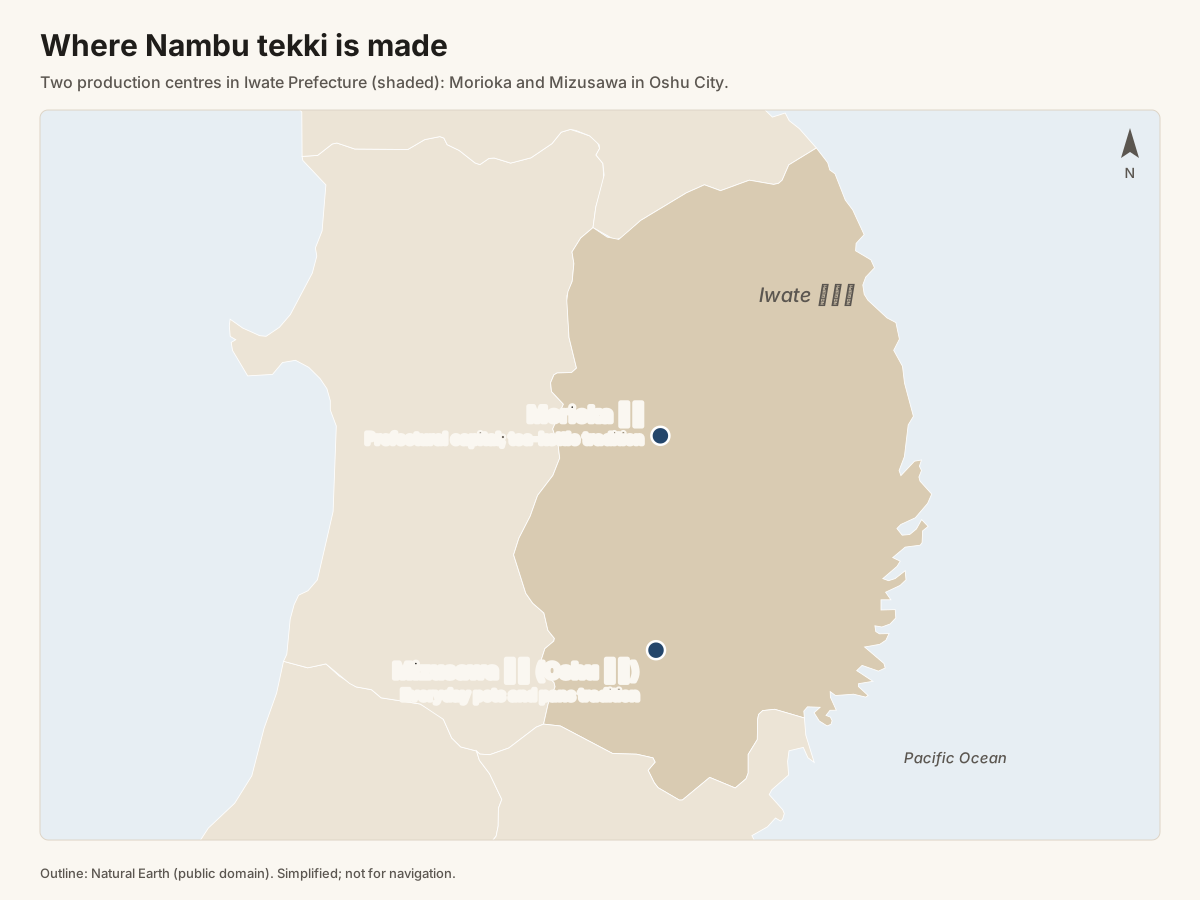
- It has two production centres with separate histories: Morioka, in the old Nanbu domain, and Mizusawa in Oshu, in the old Date (Sendai) domain.
- The method recognised as the traditional craft uses hand-made yakigata moulds; mass-produced pieces made with namagata moulds are also sold.
- Kanakedome, the rust-proofing step of firing a kettle in charcoal, was established after tetsubin found in the ruins of Morioka's 1884 fire turned out to resist rust.
- You can watch ironware being made at Iwachu's factory in Morioka and on Oigen's guided factory tour in Mizusawa.
Contents
- What is Nambu tekki?
- Two origins: Morioka and Mizusawa
- Morioka: kettles for the tea ceremony
- Mizusawa: a legend, then everyday pots and pans
- Morioka and Mizusawa compared
- How Nambu tekki is made
- Yakigata and namagata moulds
- The main steps
- Kanakedome: a technique born from a fire
- Main products
- Makers and workshops
- How to recognise genuine Nambu tekki
- Places to visit
- Summary
Nambu tekki (南部鉄器) is the cast ironware of Iwate Prefecture (岩手県) in northern Japan. Most people outside Japan know it through one object, the heavy iron kettle called a tetsubin (鉄瓶). But the name covers far more than kettles, and two places, not one.
As the Iwate Prefectural Museum (岩手県立博物館) puts it, iron castings made anywhere in Iwate are today called Nambu tekki, yet Morioka (盛岡), in the old Nanbu domain, and Mizusawa (水沢), in the old Date domain, have different casting histories. This guide follows both stories and covers how the ironware is made, the makers, how to recognise genuine pieces and where to visit, drawing on Japanese public bodies, cooperatives and makers.
What is Nambu tekki?
Nambu tekki was designated a Traditional Craft of Japan (伝統的工芸品), a national designation for crafts made with long-established methods and materials, on 17 February 1975. It was part of the very first group of designations and is classed as metalwork. Morioka city describes it as having received the designation first in Japan; since that first group was designated together, it is more accurate to say it was among the first.
The two designated production areas are Morioka and Oshu (奥州市), centred on Oshu’s Mizusawa district. The producers’ body listed for the designation is the Iwate Prefecture federation of Nambu ironware cooperatives (岩手県南部鉄器協同組合連合会).
Two origins: Morioka and Mizusawa
Morioka: kettles for the tea ceremony
According to the prefectural museum, casting in Morioka is said to have begun around the time the castle was built, in the Keicho era (慶長, 1596–1615). The domain retained four main families of casters: the Arisaka (有坂家), Suzuki (鈴木家) and Fujita (藤田家) families, and the Koizumi family (小泉家) of kettle-makers.
The sources give slightly different starting dates, but they agree on the core story: in the 17th century, the lord of the domain brought a kettle-maker from Kyoto to Morioka to make chanoyu-gama (茶の湯釜), the iron kettles used in the tea ceremony. Both the museum and Iwate Prefecture date this hiring to 1659, when the second lord, Nanbu Shigenao (南部重直), took on a Kyoto kettle-maker as the domain’s official kettle-maker. That was the start of the Koizumi line.
The tetsubin followed in the 18th century. Makers scaled down the tea kettle, and the smaller vessel came into everyday use among ordinary people. The museum notes that the third Koizumi Nizaemon (三代仁左衛門) is traditionally regarded as the founder of the Nambu tetsubin. The current head of the workshop that continues the Koizumi line (御釜屋) has described how, in the third generation’s time, a spout and a handle were added to the kettle, as on an earthenware pot. The Suzuki family, which had two branches, also made many tetsubin from the late Edo period.
Later milestones from the museum and Morioka city:
- 1908: the crown prince’s tour of the Tohoku region included a demonstration of tetsubin making, and the prefecture and city began working to improve the craft.
- 1914: the former domain lord Nanbu Toshiatsu (南部利淳) opened the Nambu Casting Research Institute (南部鋳金研究所).
- Second World War: ironware other than military items could not be made, but a society for preserving tetsubin techniques was formed and won government permission to make a few pieces each year.
Mizusawa: a legend, then everyday pots and pans
Mizusawa tells a much older story. Local tradition says that about 900 years ago, in the late Heian period, Fujiwara no Kiyohira (藤原清衡) invited casters from Omi Province (近江国, today’s Shiga Prefecture), and their craft passed to what is now Hadacho (羽田町) in Mizusawa. The prefectural museum records this tradition, but the same article states plainly that there is no clear evidence for it. What it does confirm is that moulds have been excavated from sites of the Oshu Fujiwara period, so there were certainly casters in Hiraizumi (平泉).
Other sources date the beginning differently. Mizusawa’s foundry cooperative (水沢鋳物工業協同組合) says “from around 1088, at the end of the Heian period”, and Iwate Prefecture says “about 950 years ago”. Treat all of these as tradition rather than established history.
The documented history, again from the museum, runs like this:
- Early Muromachi period: casters are said to have settled in Hadacho, beginning with the Chiba family (千葉家), and remains of casting work thought to date from the late 14th century have been found on the family’s land.
- Early Edo period: casting took root in the Tamoyama (田茂山) area of Hadacho. Oikawa Kiemon Mitsuhiro (及川喜右衛門光弘), who set up a foundry in 1683, is regarded as the founder of its revival.
- Edo period: under the control and protection of the Sendai domain, Mizusawa made mainly iron pots and kettles (kama), plus Buddhist items such as temple bells.
- After 1890: the opening of the Tohoku Main Line (東北本線) railway let Mizusawa sell as far as Hokkaido, and it became the leading producer in Tohoku of everyday goods such as pots, kama and bath heaters.
Morioka and Mizusawa compared
| Morioka (盛岡) | Mizusawa, Oshu (奥州市水沢) | |
|---|---|---|
| Former domain | Morioka domain, ruled by the Nanbu clan | Sendai domain, ruled by the Date clan |
| Origin | 17th century; a Kyoto kettle-maker hired by the domain (1659) | Legend of Fujiwara no Kiyohira inviting casters from Omi (no clear evidence); casters settled in the early Muromachi period |
| Traditional strength | Tea-ceremony kettles and tetsubin | Everyday goods: pots, kama, bath heaters; also temple bells |
| Producers’ cooperative | Nambu Tekki Cooperative (南部鉄器協同組合), founded 1949, 13 member businesses | Mizusawa’s foundry cooperative, founded 1954, 55 members (23 companies, 32 individuals) |
| Today | Tetsubin, kyusu, tea kettles and other ironware | Tetsubin, pots and wind chimes, plus castings for industrial machinery |
| Places to visit (see below) | Iwachu’s factory, Morioka Tezukuri Mura | Oigen’s factory tour and shop |
Mizusawa’s industrial side is large. For the 2024 financial year, its cooperative reports sales of 1.3 billion yen of Nambu ironware (486 tonnes) and 6.6 billion yen of industrial machinery castings. These figures cover Mizusawa’s cooperative only, not the whole of Iwate.
How Nambu tekki is made
Yakigata and namagata moulds
A 2017 report from the Iwate Industrial Research Institute (岩手県工業技術センター) explains that there are two main ways to make the moulds:
- Yakigata (焼型, “fired moulds”): this is the method of Nambu tekki as a traditional craft. The moulds are made by hand, which takes time and effort, but they can reproduce fine shapes and surface textures.
- Namagata (生型, “green-sand moulds”): used mainly for mass-produced craft items and industrial parts. Casting sand is shaped with aluminium pattern plates.
Iwachu, for example, sells “yakigata tetsubin” and “namagata tetsubin” as separate categories in its online store.
The main steps
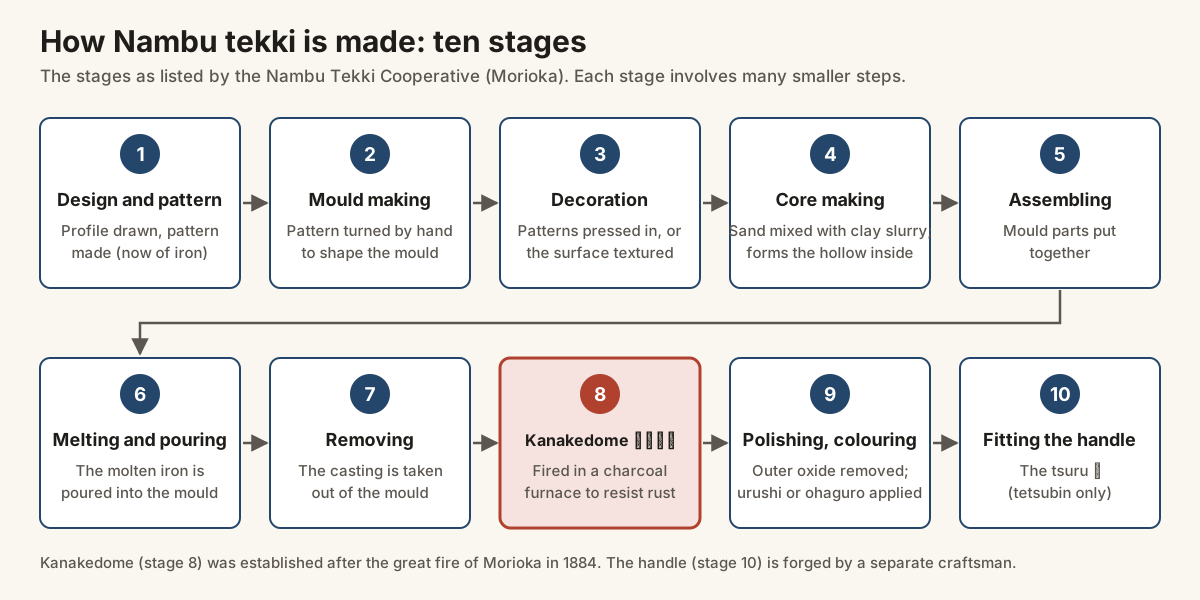
Morioka’s Nambu Tekki Cooperative lists ten stages:
- Design and pattern: a profile is drawn and a pattern made (today the patterns are made of iron).
- Mould making: the pattern is turned by hand to shape the mould.
- Decoration: patterns are pressed into the mould, or its surface is textured.
- Core making: sand mixed with a clay slurry forms the core that will become the hollow inside.
- Assembling the mould.
- Melting and pouring the iron.
- Removing the casting from the mould.
- Kanakedome (金気止め): the piece is fired in a charcoal furnace to prevent rust.
- Polishing and colouring: the oxide layer on the outside is removed and urushi (漆, Japanese lacquer) or ohaguro (おはぐろ) is applied.
- Fitting the handle (for tetsubin only).
An Iwate Prefecture booklet for children, which follows a tetsubin through Iwachu’s workshop, adds detail. Iron is melted at 1,400 to 1,500°C and poured with a ladle. Black lacquer gives a black finish and lacquer mixed with bengara (紅がら, red iron oxide) gives brown. The craftsman in the booklet speaks of about 80 steps; Iwachu’s own site says a tetsubin takes around 65 steps, almost all by hand.
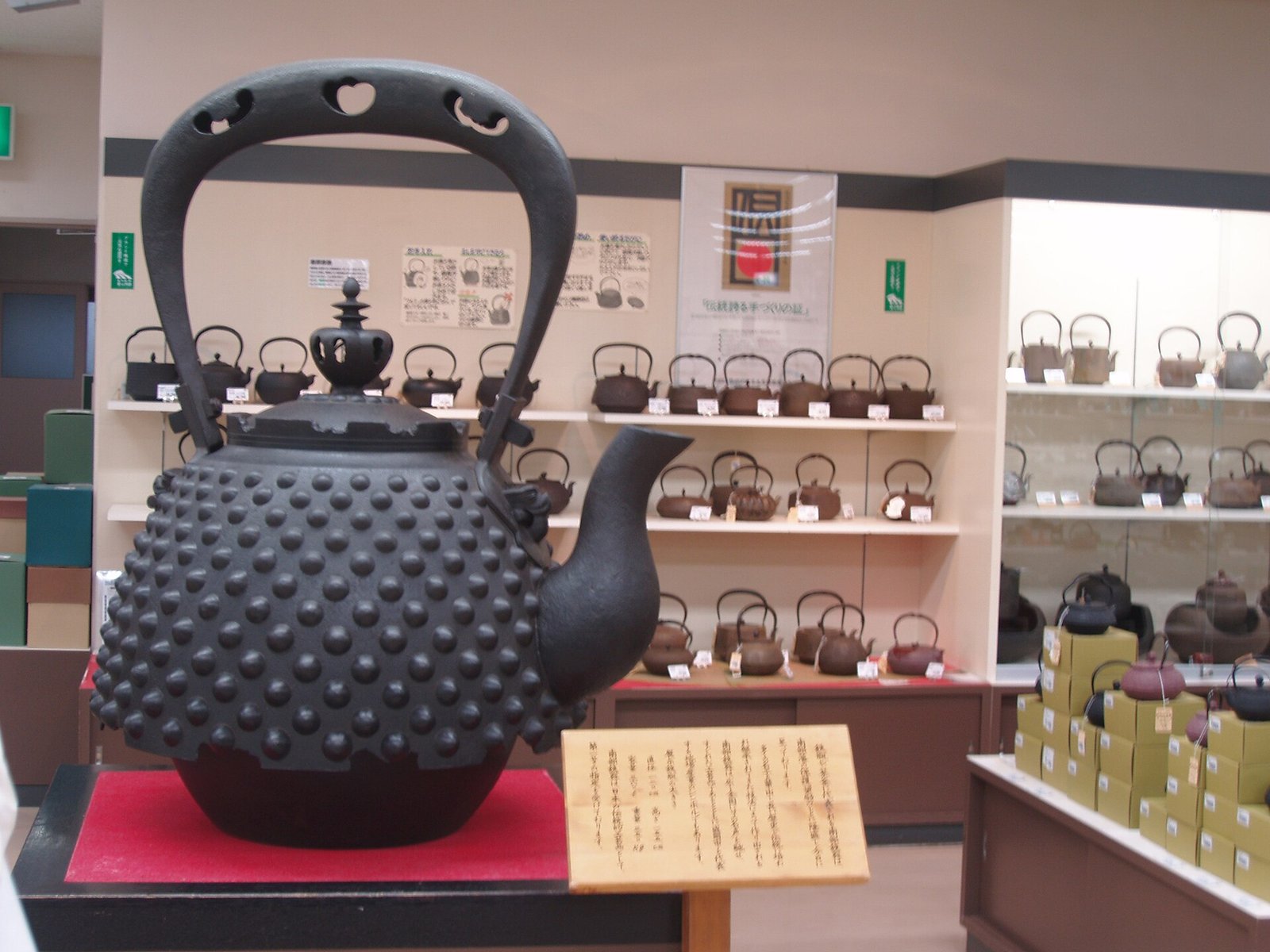
The best-known pattern is arare (霰, “hail”), rows of small raised dots typical of tea kettles and tetsubin. In Morioka’s city newsletter, the cooperative’s chairman says about 3,000 dots are pressed into a single mould by hand, and if even one is out of line the piece does not go on sale.
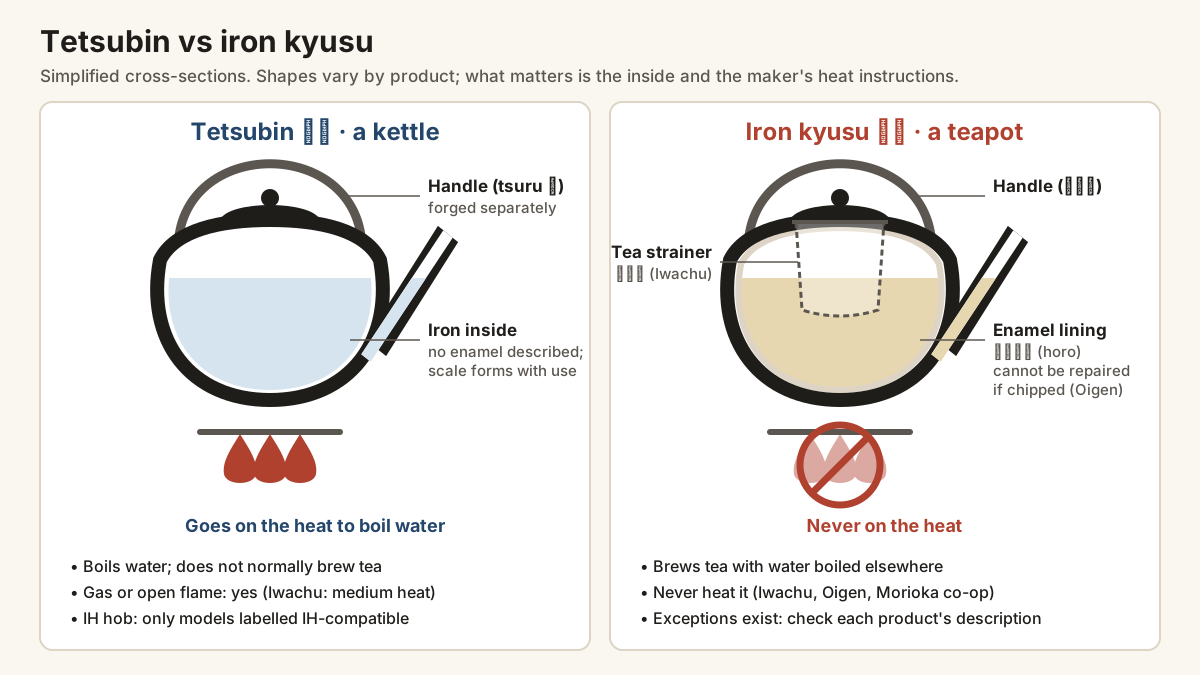
The handle, called the tsuru (鉉), is made differently from the body. The kettle is cast, while the handle is forged by hammering hot iron, so it is made by a separate craftsman.
Kanakedome: a technique born from a fire
The rust-proofing step has a specific origin. According to Morioka’s city newsletter, in the Meiji era the raw material changed from iron made from iron sand to iron made from iron ore, and tetsubin rusted more easily. After the great fire of Morioka in 1884, tetsubin recovered from the burnt ruins were found to resist rust. From this, makers established kanakedome: heating a tetsubin until it glows red to make it rust-resistant.
The city’s 2019 newsletter gives the temperature as a charcoal fire of about 900°C. The Association for the Promotion of Traditional Craft Industries (伝統的工芸品産業振興協会) describes kanakedome as forming a magnetic oxide film on the surface.
Main products
- Tetsubin: iron kettles for boiling water on the stove.
- Kyusu (急須): enamel-lined iron teapots for brewing tea, which the cooperative says must not go directly on a flame. The guide linked above explains the difference and the exceptions.
- Chanoyu-gama: kettles for the tea ceremony, where the Morioka tradition began.
- Pots and frying pans: pots were Mizusawa’s traditional strength.
- Wind chimes, trivets, ashtrays and small tabletop items.
Colourful kyusu are a newer branch. Iwate Prefecture notes that Iwachu began selling overseas early, in the decade from 1955 to 1964, and made colourful kyusu.
Makers and workshops
These are some of the makers whose details we could confirm from official or public Japanese sources.
| Maker | Area | What we confirmed |
|---|---|---|
| Iwachu (岩鋳) | Morioka | Founded in June 1902. Sells under the IWACHU brand overseas and runs the Iwachu Tekki-kan factory. Member of the Morioka cooperative. |
| Oigen (及源鋳造) | Mizusawa, Oshu | Member of Mizusawa’s foundry cooperative. Runs a factory shop and guided factory tours. |
| Suzuki Morihisa Studio (鈴木盛久工房) | Morioka | Its site says “since 1625” and that 2025 marked 400 years; the current head is the 16th generation. Descends from one of the domain’s official caster families (the Suzuki family). Makes tetsubin, tea kettles and small iron goods. |
| The other Suzuki workshop (南部鉄瓶元祖 鈴木主善堂) | Morioka | Member of the Morioka cooperative; the other branch of the Suzuki caster family. |
| The Koizumi family workshop (御釜屋) | Morioka | Member of the Morioka cooperative; continues the line of the Koizumi family, the domain’s official kettle-makers. |
| A Morioka workshop listed as 釜定 | Morioka | Member of the Morioka cooperative. |
For the last three we could not find an official website, so we give their names as listed by the Morioka cooperative. The Morioka cooperative has 13 member businesses in all, and Mizusawa’s cooperative lists 55.
How to recognise genuine Nambu tekki
There is no single test, but these checks follow what Japanese sources say:
- A named maker and origin. Look for a maker or workshop name and an origin in Morioka or Oshu, Iwate. Some makers mark their pieces; the prefectural research report shows the “IWACHU” mark on the base of an Iwachu kyusu.
- The traditional craft label. Morioka’s city newsletter explains that products meeting the requirements for traditional crafts, and that have been inspected, carry a densho-shi (伝統証紙), a label with the national traditional craft mark. Some Nambu ironware carries one. A piece without it is not necessarily an imitation, though: Iwate makers also sell namagata pieces, which are not made by the traditional-craft method.
- Descriptions that match what makers say. A listing that calls an enamel-lined teapot “stovetop safe” contradicts Japanese makers, who say their enamel-lined kyusu must not be heated.
- Buy from the makers or trusted shops. In April 2025, the Morioka cooperative warned that look-alike products claiming to be Nambu ironware were circulating on social media and asked buyers to take care. A 2004 paper in a Japanese food engineering journal also opened by noting that poor-quality, cheap tetsubin were on the market.
Places to visit
Details were checked on 11 October 2026 and can change, so confirm on the official sites before you go.
| Place | What you can do | Hours and conditions (as of 11 Oct 2026) |
|---|---|---|
| Iwachu Tekki-kan (岩鋳鐵器館), Morioka | A “theme-park style” factory where you can watch stages such as pouring iron and lacquer colouring; shop on site | Free entry. Shop 10:00–17:00. Closed Tuesdays (open on public holidays) and 29 Dec–1 Jan. |
| Oigen factory tour, Mizusawa | About 20 minutes with a dedicated guide | Reservation by phone at least one week ahead. Mondays, Thursdays, Fridays and the 1st and 3rd Tuesdays, at 13:30, 14:30 and 15:30, up to 8 people per tour. No photography, no high heels, hats must be worn. The fee is not stated on the page (a 2016 prefectural booklet listed it as free). |
| OIGEN Factory Shop, Mizusawa | Advice on choosing and caring for ironware, a tasting of plain hot water boiled in a tetsubin, limited and outlet items | 10:00–17:00. Closed Wednesdays and the 2nd and 4th Tuesdays. |
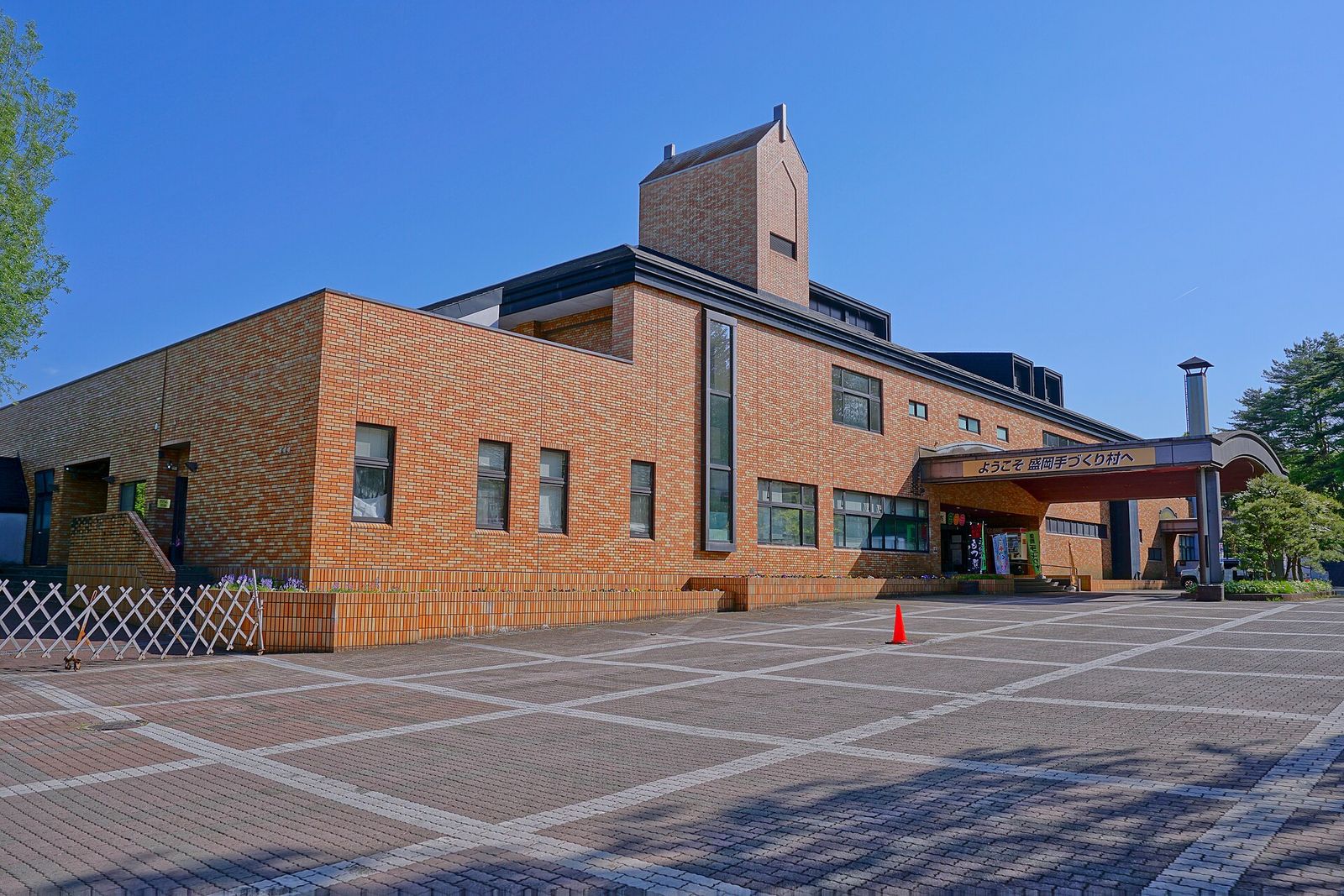
| Morioka Tezukuri Mura (盛岡手づくり村) | A craft village whose workshops include Nambu ironware makers; its site says you can see real production | 8:40–17:00; individual workshops may close early. A 2016 prefectural booklet listed entry as free and said casting could be watched on scheduled days. Its hands-on workshop list does not include ironware making. |
In Mizusawa, the foundry cooperative’s site also lists Tetsubin Quest (てつびんクエスト), a five-session programme of factory tours, casting activities and meetings with craftspeople, booked in advance on a first-come basis.
Summary
- Nambu tekki is Iwate’s cast ironware, among the first crafts designated as a Traditional Craft of Japan, in 1975.
- It has two origins: Morioka, built on tea-ceremony kettles and the 18th-century tetsubin, and Mizusawa, with an unproven Fujiwara legend and a history of everyday pots and pans under the Sendai domain.
- The traditional method uses hand-made yakigata moulds; namagata moulds are used for mass-produced pieces.
- Kanakedome, firing in charcoal to resist rust, dates from after Morioka’s 1884 fire. The handle is forged separately by another craftsman.
- To buy genuine pieces, check the maker and origin, be wary of listings that contradict maker instructions, and buy from makers or trusted shops.
- You can visit Iwachu Tekki-kan in Morioka and take Oigen’s factory tour in Mizusawa.
Sources
- https://kougeihin.jp/craft/0701/
- https://www.pref.iwate.jp/_res/projects/default_project/_page_/001/008/996/chuuichiban.pdf
- https://www2.pref.iwate.jp/~hp0910/tayori/101p4.pdf
- https://www.city.morioka.iwate.jp/_res/projects/default_project/_page_/001/028/654/191001_0203.pdf
- https://www.city.morioka.iwate.jp/_res/projects/default_project/_page_/001/050/277/250201_02-03-1.pdf
- https://www.ginga.or.jp/nanbu/
- https://www.ginga.or.jp/nanbu/cooperative.html
- https://www.ginga.or.jp/nanbu/making.html
- https://www.ginga.or.jp/nanbu/use.html
- https://oshu-nambutekki.com/about/
- https://oshu-nambutekki.com/meibo/
- https://www2.pref.iwate.jp/~kiri/study/report/2017/pdf/H29R_12.pdf
- https://iwachu.co.jp/pages/iwachu_online_store
- https://iwachu.co.jp/pages/production-process
- https://iwachu.co.jp/pages/about-us
- https://iwachu.co.jp/pages/about-tekkikan
- https://www.tohokukanko.jp/attractions/detail_1008949.html
- https://oigen.jp/pages/fs
- https://suzukimorihisa.com/
- https://tezukurimura.com/
- https://tezukurimura.com/workshop/
- https://oshu-nambutekki.com/%E3%81%A6%E3%81%A4%E3%81%B3%E3%82%93%E3%82%AF%E3%82%A8%E3%82%B9%E3%83%88/
- https://www.jstage.jst.go.jp/article/jsfe2000/5/2/5_2_105/_article/-char/ja/